Creating a Year-Round Garden Pond: Plant Choices, Care, and Scenic Details
Discover practical pond planting strategies, from water lilies to marginal pond plants, for a thriving, wildlife-friendly water feature year-round.
1. Preparing the Space and Choosing the Right Plants
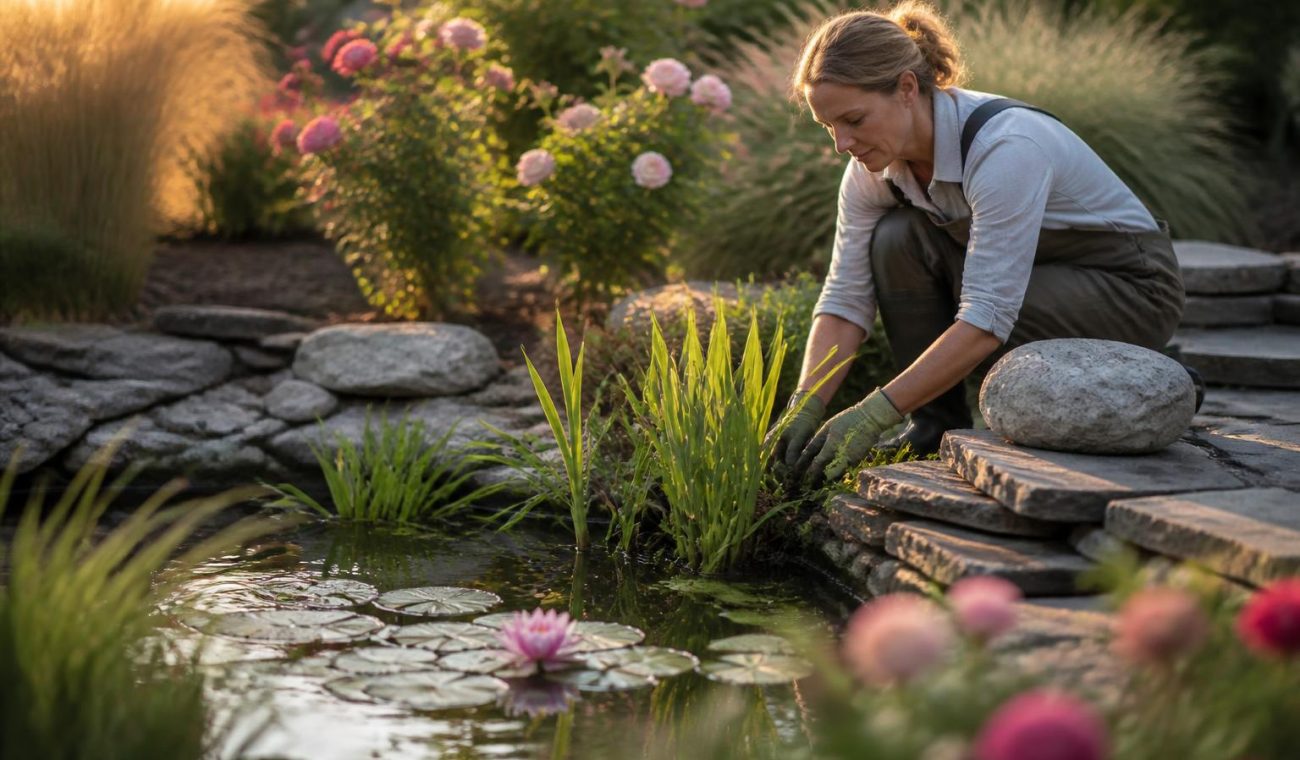
Begin by mapping a gentle, sunlit area for your pond, ensuring at least 6 hours of direct light for robust water lilies. Consider the depth variations: 60 cm at the center for deep-water plants and shallower edges for marginal pond plants to flourish. Water quality hinges on good filtration and regular partial water changes; a balanced mix of aquatic plants helps stabilize nutrients and suppress algae growth. Water Lilies are a classic starting point for color and shade, but they require space and proper depth to thrive in British climates.
Choose a mix of evergreen edge margin features and seasonal focal points to keep visual interest through the year. Plan for a succession of blooms, from spring iris-like flowers to late-summer sashes of color, while leaves provide shelter for pond life. The selection should include durable british pond plants that adapt to your local rainfall and bone-dry spells, ensuring a healthy ecosystem with minimal maintenance.
2. Water Depth and Plant Zoning for Stability
Depth zoning helps prevent plant overcrowding and reduces the risk of pale, leggy growth. Install a gradual slope from the rim to the deepest part, allowing marginal pond plants to thrive at the edges and water lilies to anchor at mid-depths. A stable substrate provides anchorage for rooted species, while clean edges reduce sediment buildup and make seasonal maintenance simpler. Expect a balanced, low-stress environment when plants are grouped by light and depth needs.
Monitor nutrient levels and ensure your filtration system promotes steady oxygenation during warm months. Marginal pond plants benefit from consistent moisture and protection from strong gusts, so position them where wind is tempered by surrounding features like shrubs or a low wall. With careful planning, you create a resilient backdrop that supports wildlife and a serene, no-people zone for quiet reflection.
3. Water Lilies: Depth, Spread, and Bloom Timing
Water lilies require a stable, roomy pot and a depth that suits their variety; most hardy types prefer around 30–60 cm of water above their crown, depending on cultivar. Provide a well-drained mix of soil and compost, and avoid heavy topsoil that can release excess nutrients. Regularly remove spent blooms to encourage fresh flowering and prevent stagnation; lilies reward patience with a long season of large, fragrant blossoms.
Place lilies where their rounded leaves can shade koi and amphibians from overheating, while still allowing sunlight to reach submerged roots. In cooler British springs, anticipate a gradual awakening, with buds swelling and opening after the last frost. A single, well-chosen water lily can become a luminous centerpiece that anchors the pond’s midsection and guides the eye across the water.
4. Marginal Pond Plants: Edges, Texture, and Wildlife Benefits
Marginal pond plants create a lush, textured border that softens the stone and expands habitat for frogs, dragonflies, and beneficial insects. Choose a mix of tall, arching varieties for back edges and low-growing, evergreen types for front borders. These plants help trap sediments, filter water, and provide shade for delicate aquatic life, while their roots stabilize the bank against erosion during heavy rainfall.
Spacing is key: plant groups should be staggered to mimic a natural shoreline, allowing leaves to float freely without crowding the water surface. Regularly trim back overgrowth to maintain airflow and prevent shading of deeper water. Over time, marginal pond plants deliver a dynamic, living fence that frames the pond with year-round greenery.
5. Seasonal Care: Maintenance Routines Without Constant Attention
Develop a simple, repeating routine: early spring checks for frost damage, mid-summer light pruning of spent foliage, and autumn preparations to fortify the pond against falling temperatures. Regularly skim debris, monitor pH, and ensure the filtration system runs efficiently. A modest weekly inspection reduces the risk of algae blooms and keeps the ecosystem balanced, so the garden remains an inviting retreat without constant intervention.
In winter, protect especially tender marginal pond plants with a light mulch or by moving pots to a sheltered area if frost risk is high. Clear any fallen leaves promptly to prevent anaerobic decay beneath the surface. A predictable rhythm of care supports long-term vitality, ensuring a healthy habitat that stays attractive through all seasons.
6. Wildlife Attraction: Birds, Pollinators, and Amphibians
By integrating a variety of pond plants, you invite a chorus of wildlife: dragonflies darting above the water, frogs hiding among submerged roots, and birds using the site as a meal stop or cooling station in summer. Plant diversity is key; include both floating and emergent species to provide shelter at different heights. A well-planted pond acts as a miniature ecosystem that stabilizes water quality and invites natural pest control from within the garden.
Consider adding a shallow, gently sloping beach area that invites amphibians to rest and catch sun without risk of stranding. Gentle herbs or native grasses nearby can attract beneficial insects that serve as food for birds. The result is a tranquil, biodiverse corner of the garden where no people are required for a sense of seasonal life and movement.
7. Troubleshooting Common Issues and Proven Remedies
When plant growth seems stunted or water turns murky, start with the fundamentals: check for nutrient overload, adjust feeding, and verify filtration flow. Overfeeding and decaying plant matter are common culprits behind algal blooms; reducing inputs and removing debris usually resolves the issue. Consider a modest addition of barley straw or a biological clarifier if clarity remains an issue after routine cleaning.
If marginal plants struggle to establish, reassess sun exposure and water depth, and ensure the chosen species truly match your climate. Root-bound pots can hamper growth, so transplant into larger containers with fresh soil and a supported stake for stability. A patient, measured approach often restores vigor without the need for drastic measures, preserving both health and beauty of the pond landscape.