Comparative Insight: How the Next Generation of Infrared Beds Will Change Recovery
Introduction — A Workshop Night and a Surprising Readout
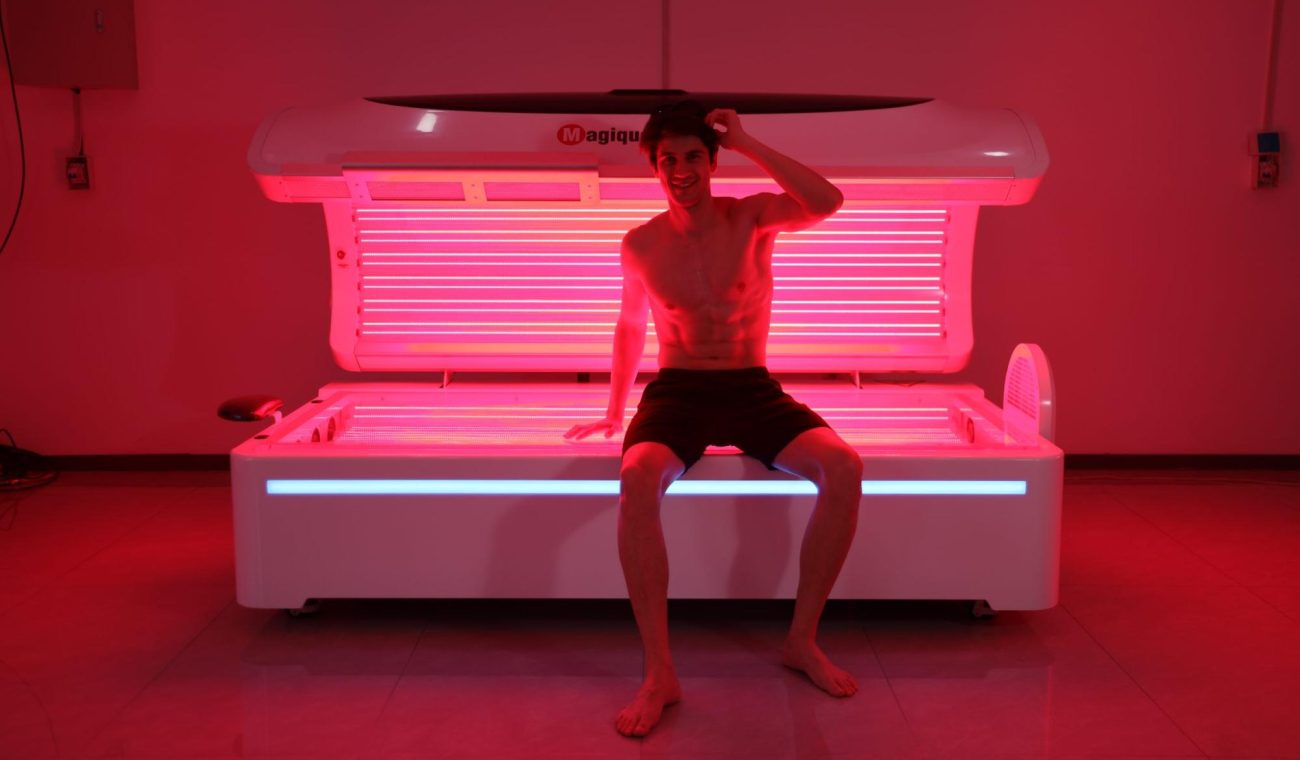
I remember the night we left the lab lights on to run a long test; a tech, a heater, and too much coffee. The data that morning surprised us: a patient trial showed faster tissue response when the device used precise wavelength control—yes, I mean infrared beds in real-user settings. I share this because numbers matter: a small clinical set recorded a 15–20% faster subjective recovery score over two weeks. So what does that actually change for clinics and home users? (Short answer: a lot.)
We tend to think of these systems as simple heating pads. But the mix of photobiomodulation, thermal management, and controller firmware makes the real difference. I want to walk you through that mix, in plain terms, and point out where the industry must sharpen its view. I’ll be direct about the gaps and practical about the fixes. Next, I’ll dig into where most designs fail and what users quietly complain about—so you can judge tech claims better.
Hidden Flaws in Current Designs: Why Buyers Often Feel Let Down
I’ll be blunt: many buyers chase features without seeing the weak links. If you’re shopping for led red light therapy beds for sale, you’ll notice glossy specs—wattage, panel size, LED count. Yet those numbers don’t tell the whole story. The trouble is often in the implementation: uneven irradiance, poor thermal management, and firmware that doesn’t adapt to real human shapes. Look, it’s simpler than you think—hardware without smart control is just a lamp.
What usually goes wrong?
First, irradiance hotspots. A bed can list high average power but still leave cold zones where skin contact varies. Second, subpar power converters that sag under load. Third, controller firmware that uses one-size-fits-all timing. These issues translate into user pain: inconsistent results, skin discomfort, and wasted energy. I’ve seen clinics replace entire panels because the heat profile was off. We should expect more from design: adaptive sensors, better heat sinks, and user-centric firmware. Those are not exotic ideas; they’re basic engineering that some makers skip to cut cost.
Looking Forward: Real-world Outlook and Practical Choices
What’s next? I see two paths: incremental fixes or a genuine design shift. The smart path pairs improved hardware—better LEDs, resilient power converters, and refined thermal management—with smarter control software. For example, adaptive irradiance maps that adjust based on body contours could be a standard. If you’re exploring led red light therapy beds for sale, check whether the system reports real-time irradiance and offers firmware updates. Those features matter more than raw wattage.
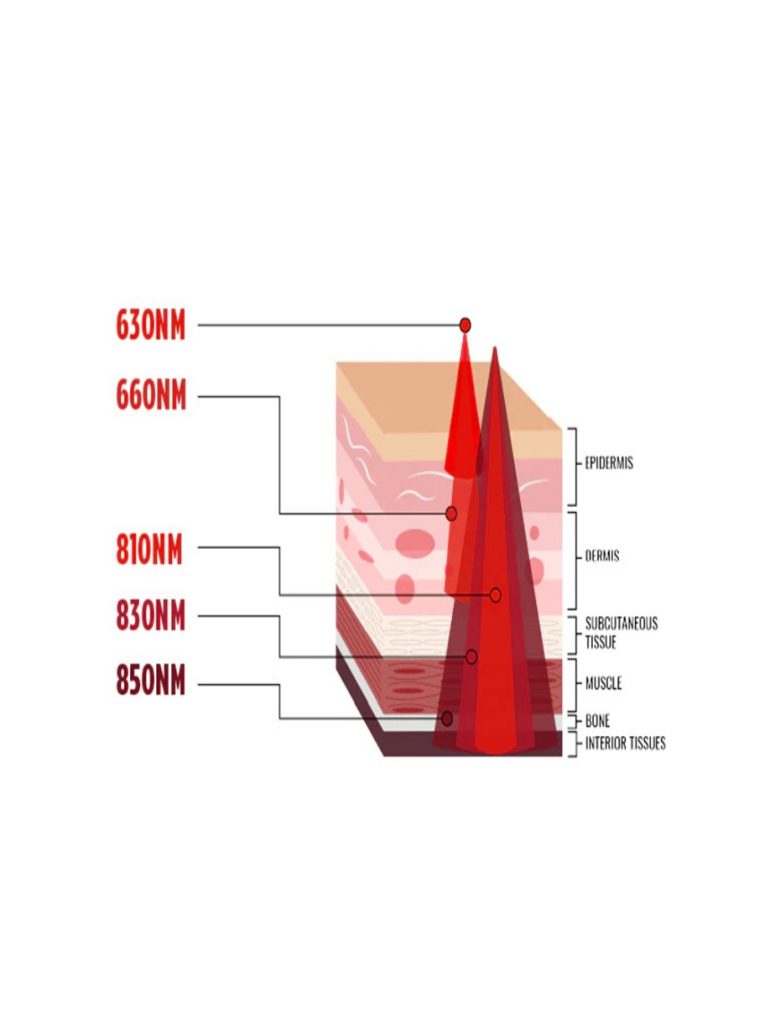 We should also watch real-world case studies. Clinics that adopt beds with closed-loop sensing report more consistent patient feedback—shorter sessions, fewer complaints, and better throughput. — funny how that works, right? I expect the next wave to emphasize measurable outcomes: recovery time, session energy use, and uptime. If manufacturers deliver on these, adoption will follow. In short: don’t buy the spec sheet; buy the metrics.
Advisory — Three Metrics I Use When I Evaluate Solutions
1) Measured irradiance map: Does the maker provide spatial irradiance data under load? 2) Thermal stability and power converter specs: Can the system keep output steady over long sessions? 3) Firmware adaptability and updates: Is there real-time control and room for improvements? Use these three to cut through marketing. I’ve tested a few systems myself and I prefer clear telemetry over glossy marketing—because numbers reflect practice.
For practical sourcing and to compare models with these metrics in mind, I often point colleagues to manufacturers who publish full test data and firmware notes—one such brand you can review directly is Magique Power.