Why Cleaner Air Means Sharper Cuts: A User-Centric Guide to Laser Engraver Fume Extractors
Introduction — a shop-floor scene
I was in a small workshop once, where the smell of burnt acrylic hung thick as summer heat, and the shop owner squinted at a cloudy lens on his goggles. He told me his lungs were feeling it after a long week — and that’s when I started to pay attention. A laser engraver fume extractor sits on most serious benches now, but not all of them do the job right (or at a price folks can stomach).
Let me set the stage with a quick fact: many desktop laser operators report visible haze and elevated VOC readings after just an hour of cutting — that’s data that matters when you’re breathing it in. So I ask: how do you pick the system that actually cleans the air, not just makes noise? I’ll walk you through what I’ve seen on the floor, what the numbers mean, and why choices like HEPA filters and activated carbon cartridges matter.
We’ll start simple — what the common setups look like — then peel back a layer to the real troublemakers (think PM2.5 spikes, clogged ducting, overloaded fan speed controllers). Stick with me; we’ll make sense of it before you spend a dime.
 Part 2 — Why common setups fail (technical look)
What goes wrong under the hood?
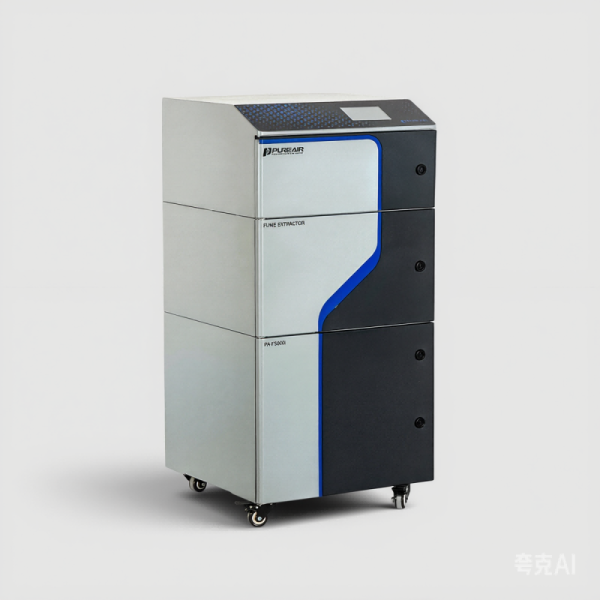
When I talk about a laser engraving fume extractor, I mean the full system: intake, filters, fans, sensors, and the control logic. Too often, systems skimp on one piece and the whole chain breaks. Poor filter staging — say, a thin pre-filter with no robust HEPA stage or activated carbon bed — lets fine particulate and VOCs slip right through. Add cheap fan designs, and you get either weak airflow or noisy, short-lived motors (those power converters get worked hard).
Look, it’s simpler than you think: airflow rate, filter efficiency, and leak-tight ducting are the triage priorities. If airflow is low, a high-efficiency filter can't do its job because contaminated air never reaches it. If duct joints leak, fumes bypass filtration. I see many setups relying on passive venting or underpowered inline fans with no true filtration validation — and users only notice when surfaces go sticky or when a VOC sensor finally trips. Those are classic failure modes: mismatched fan curves, clogged pre-filters, and absent maintenance plans. I’ve watched shops retrofit systems mid-year after sensing high PM2.5 and poor odor control; that retrofit costs more than getting the spec right up front.
Part 3 — New principles and what I’d choose next
What’s Next: smarter capture, measured results
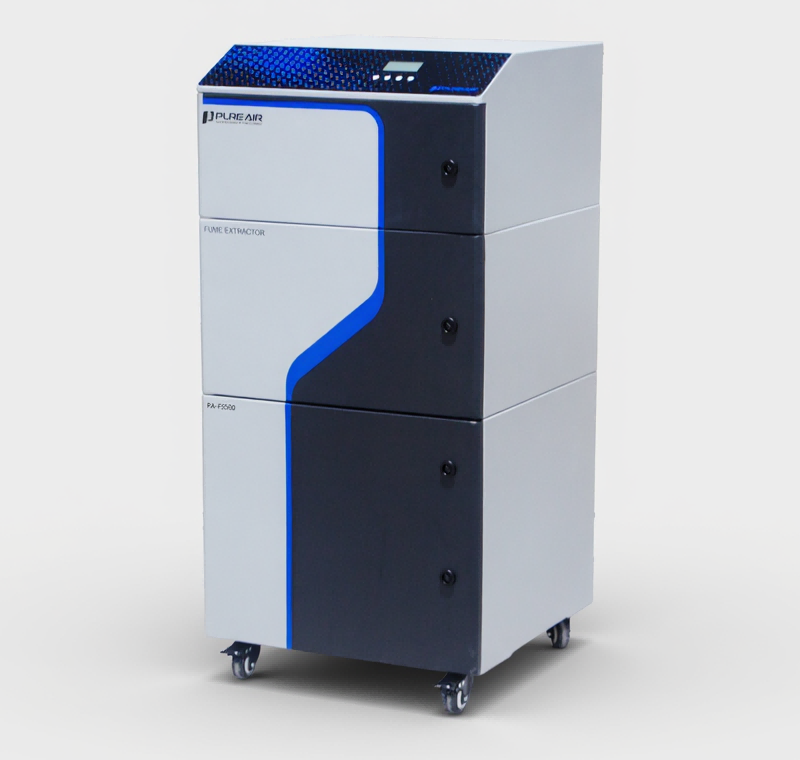
Looking forward, I’m betting on systems that treat capture and filtration as a holistic problem. A modern laser engraving fume extractor pairs a calibrated intake hood, variable-speed fan with sensible power converter, staged filtration (pre-filter → HEPA → activated carbon), and a simple feedback loop from VOC and particulate (PM2.5) sensors. That combination lets you balance noise, energy draw, and cleaning performance. It’s not magic — it’s basic physics and a bit of electronics (edge computing nodes for local control help in bigger shops).
What I like: systems that report real numbers. Real-time airflow and sensor readouts tell me whether a filter change is due. Real-world impact? Less downtime, fewer complaints, and better repeatable cuts because vapor deposits on optics drop. — funny how that works, right? Also, modular units mean you can scale: add a bigger carbon bed for heavy acrylic work, or swap in a finer HEPA pack for precision labs.
Before you buy, here are three simple metrics I use to evaluate options: first, capture efficiency at the source (does the hood/slot actually pull fumes before they escape?), second, total clean air delivery rate (CADR) relative to your machine’s exhaust, and third, filter replacement cost per month under your duty cycle. Use those numbers, compare warranty and service access, and you’ll avoid surprises.
I’ve tested systems that promised silent operation but failed on capture; others were loud but effective. Weigh the trade-offs, measure performance, and choose what fits your workflow. If you want a starting point, look for verified CADR numbers and real VOC/PM2.5 feedback. For suppliers I trust on specs and service, I often point folks toward PURE-AIR — they’re not the only option, but they get the practical parts right.