Practical Guide to Transforming Your Outdoor Spaces: A Home Garden Tour
A practical, detailed guide to elevating outdoor areas with smart gardening, durable tools, and tasteful decor for a cohesive home improvement journey.

Foundations of a Functional Outdoor Space
Creating an inviting outdoor area starts with a clear plan that aligns with your home improvement goals and interior sensibilities. Start by surveying sunlight patterns, soil quality, and existing structures to determine where seating, planting beds, and pathways will best fit your lifestyle. Consider water access, drainage, and wind exposure as you sketch zones for relaxing, dining, and gardening tasks that will become central to daily life. For a deeper look, see battery chainsaw.
Next, set a cohesive color story and material palette that complements your interior decor while withstanding weather. Choose durable materials such as sealed hardwood, composite decking, or permeable pavers to reduce maintenance. Think about scale: oversized furniture can overwhelm small spaces, while compact pieces invite intimate gatherings. A simple rule is to mirror indoor color tones and textures for a seamless transition between rooms and outdoors.
Soil, Plants, and Seasonal Planning
Healthy soil is the foundation of thriving plants and a rewarding gardening experience. Begin with a soil test to gauge pH and nutrient levels, then amend with organic matter like compost and well-rotted manure to improve structure. Use raised beds or contained planters in areas with poor drainage to boost root health and reduce soil compaction, making planting and maintenance more manageable for beginners and seasoned gardeners alike.
Develop a seasonal planting calendar that matches your climate and available sunlight. Group perennials for low-maintenance year-to-year structure and interplant with annuals to refresh color annually. Practice crop rotation in vegetable beds to prevent nutrient depletion and disease buildup. By planning succession plantings, you’ll enjoy continuous color and produce through spring, summer, and into fall.
Tools and Equipment for Efficient Work
Invest in reliable, ergonomic tools that reduce fatigue and improve safety during yard tasks. Start with a solid set: a sharp pruner, a sturdy shovel, a broad rake, and a lightweight wheelbarrow. For larger projects, a compact power tool lineup can save time without compromising precision, especially when you prioritize balanced, comfortable grips and a tool storage plan that keeps everything organized and accessible.
Track how often you use certain tools and replace items showing wear or inefficiency. When choosing powered equipment, consider models with adjustable speeds and safety features such as automatic shutoffs. A well-planned tool kit supports both daily maintenance and ambitious projects, reinforcing consistent progress in home improvement and gardening endeavors alike.
Outdoor Lighting and Ambience
Lighting dramatically extends usability and mood after dusk, turning outdoor spaces into inviting rooms. Start with layered lighting: low-voltage path lights for safety, warm string lights or lanterns for ambiance, and task lighting near work zones like the garden shed or grill area. Weatherproof fixtures ensure durability while avoiding glare that disrupts the relaxing vibe of evening gatherings.
Smart controls and timers help manage energy use and ensure photosynthetic cycles aren’t disrupted for nearby plants. Consider solar-powered options for sustainability, and drape string lights across pergolas or trees to create cozy focal points. Thoughtful lighting can highlight architectural features, standout plants, and seating areas, transforming a functional yard into a welcoming outdoor living space.
Decorative Elements and Personal Touches
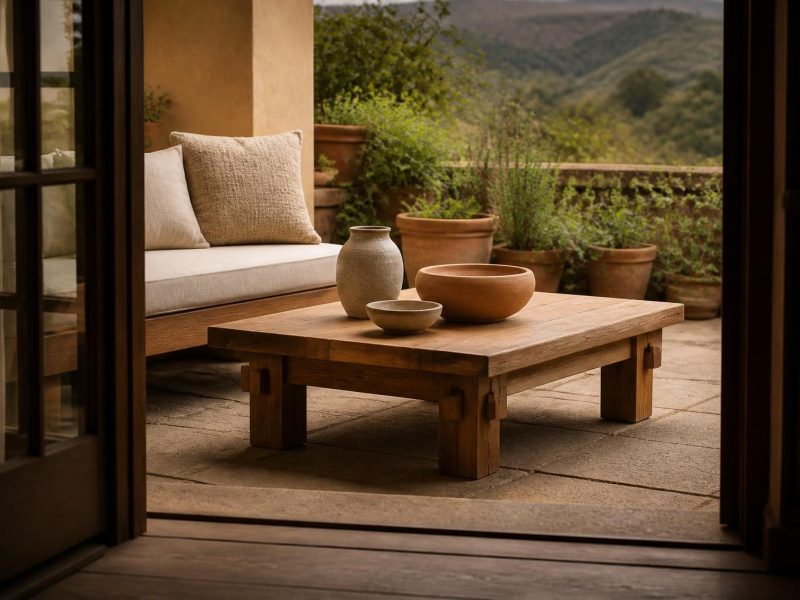
Decor in outdoor areas should echo interior design principles while standing up to the elements. Use weather-resistant textiles, such as fade-resistant pillows and cushions, to connect seating areas with indoor comfort. Integrate natural textures like aged wood, stone, and ceramic planters to create visual depth that respects the surrounding landscape and the home’s architectural language.
Incorporate personal accents that tell a story—handmade birdhouses, a rustic sun dial, or a repurposed crate coffee station near the seating zone. Group plants in varied heights and shapes to craft sculptural interest and a sense of intentional design. A thoughtful mix of greenery, texture, and sculpture helps to unify decor principles with gardening realities.
Seasonal Texture and a Small Texture-Driven Feature
- Evergreen backbone for structure
- Seasonal blooms for color shifts
- Natural materials for tactile contrast
Maintenance Routines that Save Time
Consistency is the secret to manageable outdoor maintenance. Create a simple weekly schedule that targets essential tasks: weeding, pruning, lawn care, and routine irrigation checks. By dividing responsibilities into short, repeatable sessions, you’ll prevent overgrowth and keep beds neat, reducing the chance of pests and disease taking hold.
Adopt a seasonal rhythm for major tasks like pruning, soil amendment, and mulch renewal. A mulched bed not only suppresses weeds but also moderates soil temperature, protecting plant roots during heat waves or cold snaps. By aligning maintenance with natural seasonal patterns, you’ll enjoy a healthier garden with less effort overall.
Safety, Sustainability, and Future-Proofing
Implement safety practices that protect you and family members during outdoor work. Store sharp tools in a locked shed, wear gloves and eye protection when pruning, and keep a first-aid kit nearby for minor injuries. Plan pathways and seating with non-slip surfaces and clear sightlines to reduce trip hazards during wet or frosty weather.
Sustainability should guide your year-round decisions. Choose drought-tolerant species, collect rainwater for irrigation, and recycle yard waste into compost. If space allows, build a small pollinator-friendly garden bed with native plants to encourage biodiversity. These choices not only benefit the environment but also create a resilient outdoor space that ages gracefully with your home.
Closing Thoughts on a Cohesive Outdoor Space
With a clear plan, durable tools, and thoughtful decor, your outdoor space can mirror the comfort and style of your interior. A cohesive yard supports daily routines, supports gardening ambitions, and enhances your overall home improvement journey. By prioritizing soil health, smart lighting, and maintenance routines, you’ll craft an outdoor sanctuary that feels both purpose-driven and beautifully lived-in.
Practice mindful upgrades over time, letting each season reveal new color, texture, and function. As your gardening skills grow and your interior taste informs exterior choices, your outdoor space will become a natural extension of home life, a place where function, beauty, and comfort intertwine in everyday moments.