Smart Garden Principles: Practical Steps to Elevate Home Gardens with Garden-to-Interior Harmony
Discover practical, plant-forward strategies that blend home improvement, interior style, and gardening into a cohesive, stylish outdoor-to-indoor experience.
Thoughtful Planning for a Home Garden That Feels Integrated
Creating a garden that complements interior decor and home improvement goals starts with a clear plan. This approach considers sun exposure, soil quality, and water needs, aligning them with existing furnishings and color palettes. By mapping zones for edible crops, flowering perennials, and evergreen structure, you create a cohesive outdoor space that mirrors your interior style. As you begin, lidar technology can inform precise site assessments and help visualize space usage before breaking ground.
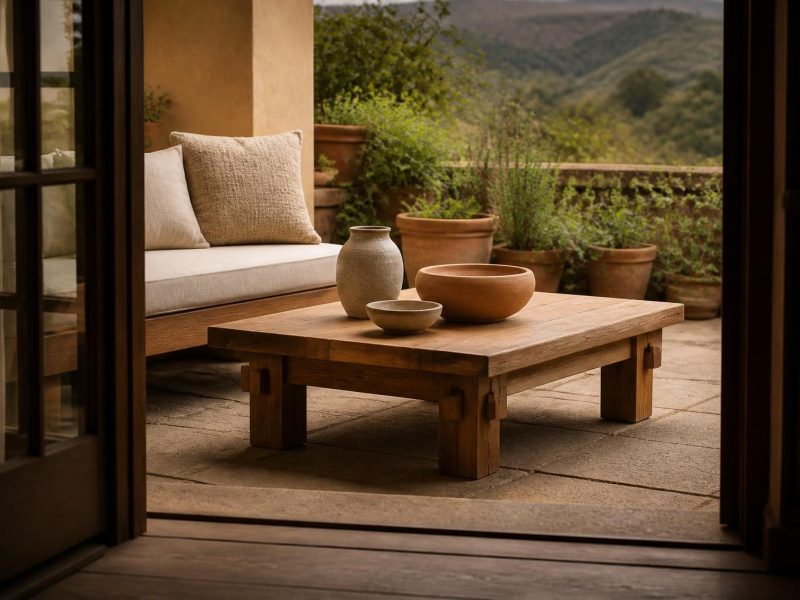
Next, establish a durable framework of paths, borders, and seating that anchors the landscape. Use materials that echo interior finishes, such as timber tones or stone textures, to forge a seamless transition from home to garden. Plan irrigation and drainage early, choosing automated systems that reduce maintenance while supporting robust plant health and long-term sustainability. This foundation supports ongoing home improvement goals and enhances daily living through greenery.
Soil, Light, and Water: The Trifecta for Healthy Plants
Healthy soil is the bedrock of any thriving garden, influencing nutrient availability and overall plant vigor. Start with a soil test to determine pH and nutrient levels, then amend with compost, worm castings, and organic amendments tailored to your crops. By choosing native plants where possible, you reduce maintenance and water needs, while fostering a more resilient garden that complements interior accents and decor choices.
Light is the second pillar; assess how sun moves across your space through the day and across seasons. Combine sun-loving perennials with shade-tolerant varieties beneath trees or on the north side of structures. In parallel, design a smart watering plan that targets root zones without waste, using drip irrigation or soaker hoses. Align this with a home improvement mindset that values efficiency and environmental stewardship.
Containers and Vertical Gardening for Small Spaces
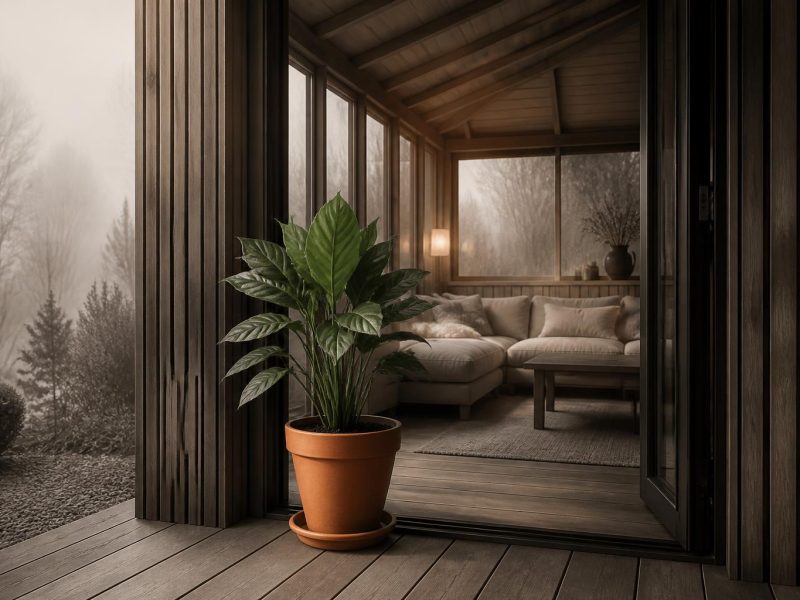
Container gardening unlocks flexibility for balconies, patios, and entryways, allowing you to create focal points without committing to ground space. Choose pots with good drainage and materials that reflect your interior aesthetic, such as terracotta for rustic warmth or sleek ceramic for modern interiors. Plant combinations should include edible herbs, flowering annuals, and evergreen fillers to provide continuous interest year-round in a cohesive decor framework.
Vertical gardens maximize sun exposure and create living art at eye level. Install trellises, wall-mounted planters, or hanging systems that align with interior colors and textures. This approach supports gardening creativity while keeping maintenance manageable, and it offers a way to incorporate seasonal color changes into your decor narrative and home improvement projects.
Edibles and Ornamentals: Balancing Flavor and Form
Growing edibles alongside ornamentals makes for a productive, beautiful landscape. Design raised beds or planters for herbs, salad greens, and compact vegetables, pairing them with flowering plants that attract pollinators. Choose varieties with strong flavor and reliable performance in your climate, and plant them in a pattern that reinforces your home’s color story and material palette to unify interior and exterior zones with deliberate beauty.
Ornamental choices should reflect seasonal texture and color shifts, from spring blossoms to autumn foliage. Consider a mix of grasses, flowering perennials, and evergreen shrubs to sustain structure through winter. This combination ensures your garden remains a curb appeal asset and a visual extension of interior decor, contributing to a calm, inviting exterior that mirrors your living spaces.
Seasonal Transitions: Maintenance Rituals that Honor Both Spaces
Seasonal care routines synchronize garden health with home routines, reducing surprise workloads. Create a maintenance calendar that includes pruning, mulching, and soil amending tasks aligned with seasons, while simultaneously planning interior projects like repainting or re-cushioning to echo the garden’s evolving palette. Thoughtful maintenance preserves plant vitality and keeps the home and garden feeling intentionally coordinated rather than disparate.
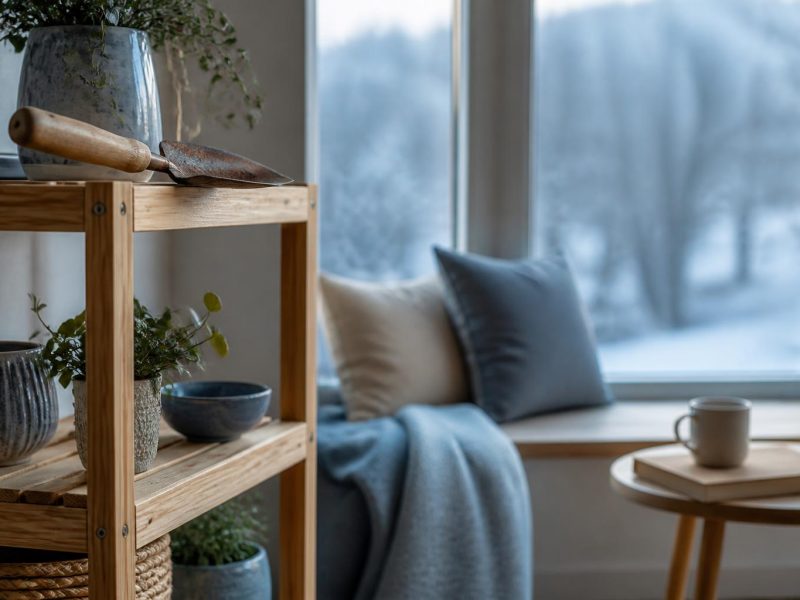
Incorporate compact storage solutions for tools and supplies to streamline upkeep and minimize clutter around entryways and patios. Use weatherproof storage that blends with exterior finishes, supporting a tidy, intentional look. Regularly review plant health indicators and adjust water, light, and nutrient inputs to sustain a balanced, harmonious environment that reflects a high standard of home improvement and interior-aware gardening.
Lighting and Ambience: Extending Interiors Outdoors
Outdoor lighting defines mood, safety, and usability after dark, transforming spaces into al fresco living areas that echo interior ambience. Layer light with pathway lamps, uplights for trees, and warm string lighting to create cozy zones for dining or reading. Choose fixtures with finishes that harmonize with exterior materials and interior hardware, ensuring a cohesive narrative between spaces.
Soundscapes and scent complement lighting to deepen the sensory experience. Install passive water features or wind chimes to introduce gentle movement and audio variety, while plant selections emphasize fragrances and textures that align with a refined decor language. By treating outdoor evenings as an extension of interior life, you reinforce a holistic home improvement ethic tied to daily comfort and enjoyment.
Sustainable Practices: Long-Term Value and Biodiversity
Embrace sustainable gardening practices that save resources and boost garden resilience. Employ rain barrels, mulch to regulate moisture, and native plantings that require less fertilizer and water. These steps also reduce maintenance time, freeing you to pursue interior projects or seasonal decor updates that keep the home feeling fresh and alive.
Integrate composting and organic pest management to minimize chemical reliance while encouraging biodiversity. Create habitat features such as pollinator gardens and bird-friendly plantings that support a balanced ecosystem. This commitment to sustainability aligns with thoughtful home improvement and interior decorating choices, ensuring your garden remains an ethical, low-stress extension of your living space.