Smart, Sustainable Home Garden: Practical Steps to Elevate Your Outdoor and Indoor Spaces
A practical guide to blend gardening, decor, and interior-inspired home improvement for a cohesive, low-maintenance living environment.
Section One: Designing a Garden-Ready Living Space
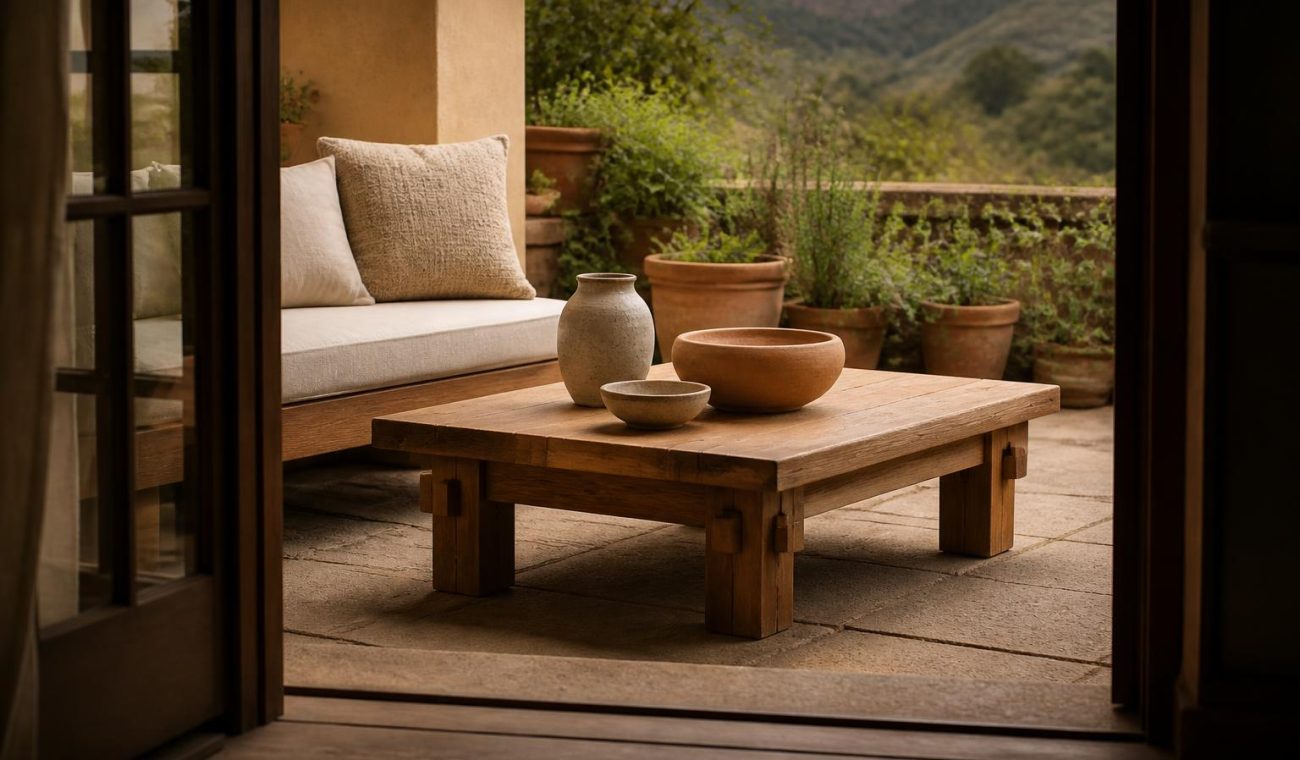
Creating a garden-anchored living space begins with a thoughtful layout that blends outdoor and indoor functions. Consider sun exposure, wind patterns, and view lines when placing seating, planters, and pathways to maintain harmony between nature and home decor. A well-planned zoning approach helps you manage maintenance while preserving beauty, making everyday moments more inviting and functional, whether you entertain guests or enjoy quiet mornings. awd robot lawn mower can handle routine mowing, freeing time for interior projects and relaxed gardening sessions.
Indoor windows and doors should frame your garden like a living artwork, inviting light and warmth into interior spaces while keeping pest pressures low. Use durable, weather-resistant containers that complement your color palette and decor style, ensuring a cohesive look across rooms. With deliberate plant selection and smart irrigation, you’ll achieve a lush outdoor ambiance that resonates with your home improvement goals and interior sensibilities.
Section Two: Soil, Planting Beds, and Edge Treatments
Healthy soil is the foundation of any thriving garden and a cornerstone of sustainable gardening practices. Start by testing pH and nutrient levels, then amend with compost, shredded leaves, and natural mulch to improve structure and moisture retention. Choose plants that suit your climate and space, rotating varieties seasonally to maintain soil vitality and prevent pest buildup, all while reinforcing a calm, cohesive decor theme in both beds and containers.
Edge treatments define the scope of your garden and help separate functional zones from lounging areas. Use low-profile edging materials that don’t obstruct sightlines or light, and pair them with mulch that blends with hardscape tones. Regular pruning and deadheading maintain clean lines, supporting a refined interior-inspired appearance that extends from beds to patio seating and planters.
Section Three: Water Features and Microclimates
Small water features introduce soothing sounds and reflective surfaces that elevate any garden space while contributing to a microclimate that supports humidity-loving plants. Consider a compact fountain, a bubbling urn, or a recirculating tabletop feature that pairs with outdoor furniture. Position water elements where they catch morning sun and evening shade, creating dynamic light and shadow that complements your decor palette.
Microclimates around focal points—such as a sheltered seating nook or a sun-drenched herb bed—allow you to experiment with plants that thrive under specific conditions. Use movable shade screens or lattice structures to balance sun exposure, and select drought-tolerant varieties for low-water maintenance without sacrificing visual interest or interior-inspired elegance.
Section Four: Containers, Plant Selections, and Seasonal Transitions
Containers offer flexibility for color, texture, and scale, enabling you to craft a layered look that mirrors interior design principles. Mix shapes, heights, and materials while sticking to a cohesive color story to tie spaces together. Plant choices should reflect seasonal interest, with evergreen structure for winter stability and flowering varieties for summer brightness, enhancing both gardening appeal and decor cohesion.
Implement a simple rotation plan to keep container displays fresh year-round. Swap out annuals each season, prune back perennials to maintain form, and refresh with new pots or liners as needed. This approach reduces clutter, preserves a calm atmosphere, and aligns with practical home improvement goals that blend gardening with interior aesthetics.
Section Five: Lighting, Ambience, and Outdoor Rooms
Lighting is the secret to extending outdoor usability after daylight fades and reinforces mood in alignment with interior decor. Layer light with pathway lamps, string lights, and accent uplights to create intimate zones that mimic warm living room corners. Thoughtful lighting highlights plant textures and hardscape while supporting safe navigation between seating, dining, and entry points.
Outdoor rooms benefit from weather-resistant textiles, furniture, and color schemes that echo interior styling. Use cushions, throws, and area rugs in durable fabrics to soften hard surfaces and define zones. By treating the patio as an additional living space, you reinforce a continuous home improvement narrative that keeps gardening and decor in harmony across the home.
Section Six: Composting, Waste Reduction, and Soil Stewardship
Composting reduces waste while enriching soil structure with slow-release nutrients, supporting sustainable gardening practices. Build a simple, odor-minimizing bin, turn compost regularly, and monitor moisture to maintain optimal microbial activity. The resulting dark, crumbly compost can mulch beds or enrich potting mixes, aligning with eco-conscious home improvement and interior-friendly gardening goals.
Soil stewardship extends to rainwater capture and smart irrigation, minimizing runoff and conserving resources. Install a simple rain barrel system and drippers for containers to maintain even moisture without overwatering. This approach protects plant health, reduces maintenance time, and keeps outdoor spaces aligned with a thoughtfully designed decor that mirrors indoor sustainability values.
Section Seven: Maintenance Rituals and Seasonal Care
Establishing a predictable maintenance routine makes garden care feel like a repeatable interior habit rather than a chaotic outdoor task. Set aside weekly quick checks for irrigation, pruning, and debris removal, and plan deeper seasonal projects in a calendar to spread workload evenly. Consistency supports plant health and preserves the refined aesthetic you’ve created across both interiors and exteriors.
Seasonal care should balance visual refresh with practical protection against weather and pests. Prepare perennials for winter by cutting back spent growth and mulching, and seed or plant for the next growing season ahead of time. By framing gardening as part of ongoing home improvement, you’ll sustain a coherent, beautiful environment that integrates interior comforts with outdoor vitality.